
 Whatsapp

"The service was excellent and I would definitely recommend the clinic to anyone who is looking for a good dental practice."
Your smile can change how you feel in a moment. Over time, however, teeth naturally lose their brightness. Coffee, tea, red wine, smoking, and ageing can all lead to staining that brushing alone cannot remove.
If your teeth are looking dull or uneven in colour, professional teeth whitening in Newlands, Cape Town, offers a safe, controlled way to restore a cleaner, brighter appearance.
Real Whitening Results
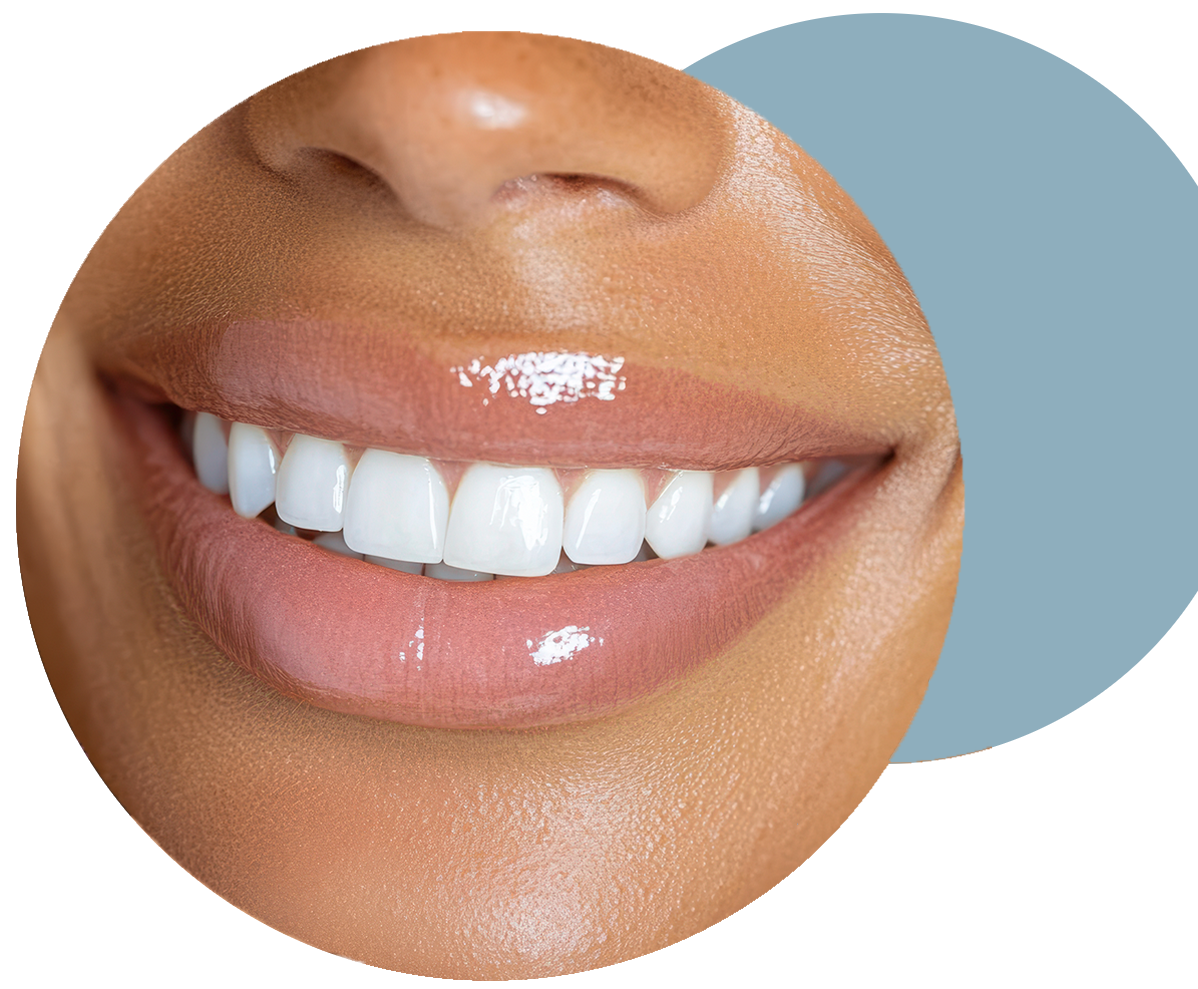
A brighter smile does not need to look artificial. Teeth whitening is designed to lift stains evenly while maintaining a natural-looking shade.
For many patients, it is one of the simplest ways to refresh their appearance without more involved treatment.
The Difference with Professional Teeth Whitening
Professional teeth whitening is not a one-size-fits-all treatment. It is planned around your teeth, how sensitive they are, and your overall oral health.
Before anything starts, your teeth and gums are checked to make sure whitening is the right option for you. This helps avoid uneven results and keeps the process as comfortable as possible. The aim is a natural-looking improvement that still feels like your smile.
Why Choose Professional Teeth Whitening?
- Safe and Enamel-Conscious Treatment is supervised to protect your teeth and gums.
- Tailored to You Your shade, sensitivity, and goals are considered.
- Even Natural Results Avoids patchiness or overly bright, artificial shades.
- Fast, Visible Improvement Noticeable results can often be achieved quickly.
- Clinically Guided Care Your treatment is planned and monitored throughout.
Teeth Whitening Options in Newlands
We offer professional teeth whitening solutions designed to suit different lifestyles, timelines, and smile goals. If you are considering teeth whitening in Newlands patients often choose, these options allow you to select a treatment that fits your lifestyle.
In-Chair Teeth Whitening
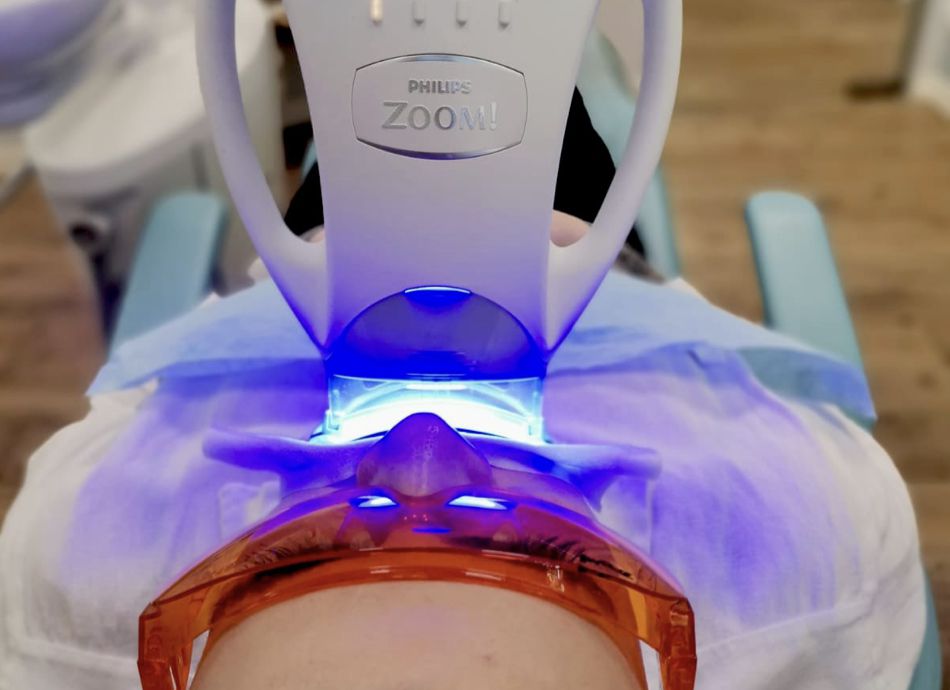
This is done at the practice and is ideal if you want quicker, visible results. A whitening gel is applied under supervision, with the aim of brightening your smile in a single visit.
Take-Home Whitening Trays
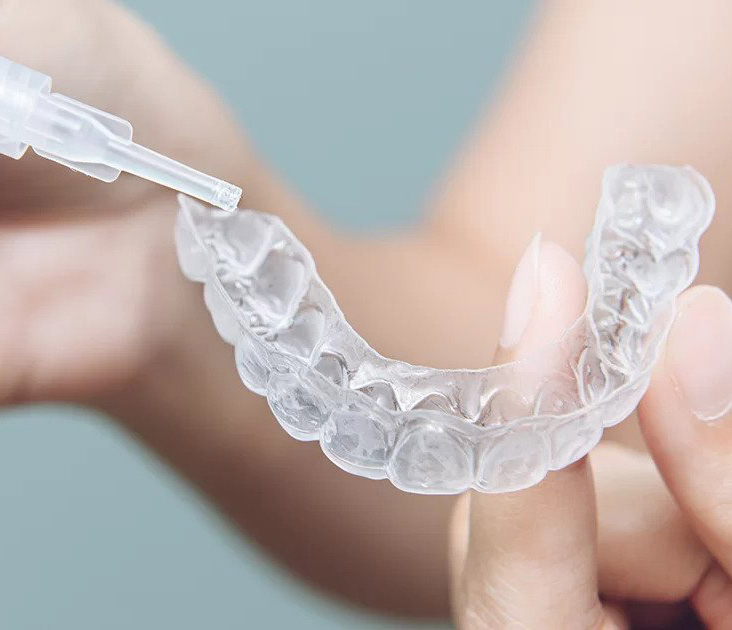
Custom trays are made to fit your teeth, allowing you to whiten them gradually at home. You can go at your own pace, with guidance on how to use the treatment safely and effectively.
Whitening as Part of a Smile Plan
In some cases, whitening is used as a first step before other treatments, such as bonding. This helps create a more even, balanced result overall.
What to Expect from Teeth Whitening
Your treatment follows a clear, structured process:
- Consultation and assessment: Your teeth, gums, and existing dental work are evaluated.
- Treatment planning: The most suitable whitening option is recommended.
- Whitening treatment: This is performed in-chair or guided for home use.
- Review and maintenance guidance: You’ll receive advice to help maintain your results over time.
Our Whitening Specialist
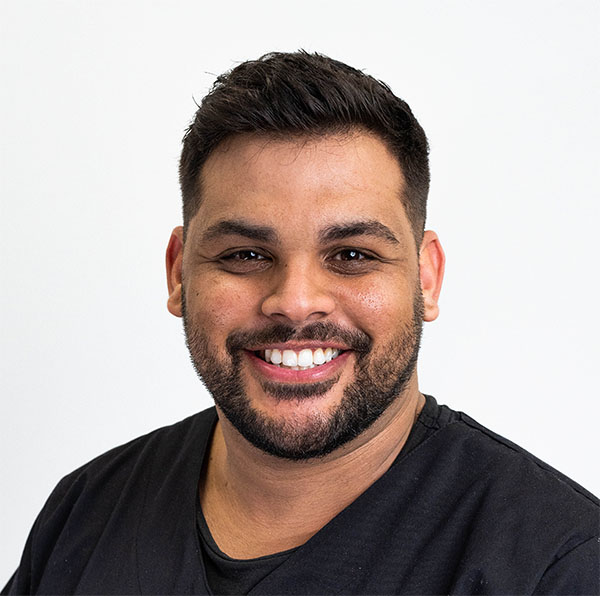
Cole Gilbert
Cole is a registered Oral Hygienist with a strong focus on preventative and aesthetic care. He trained at the University of the Western Cape and is actively involved in both clinical practice and education. His role in teeth whitening focuses on helping you achieve a brighter smile while maintaining the health and integrity of your teeth.
Frequently Asked Questions
If your teeth no longer reflect how you want to look or feel, teeth whitening in Newlands offers a practical place to start.
Book your consultation with Smith and Van Lierop to explore your teeth whitening options in Newlands.
Book an Appointment

